Denver regulatory codes under the Denver Department of Public Health & Environment (DDPHE) demand strict, documented sanitation records for hospitality, retail, and multi-family structures. In dense commercial…
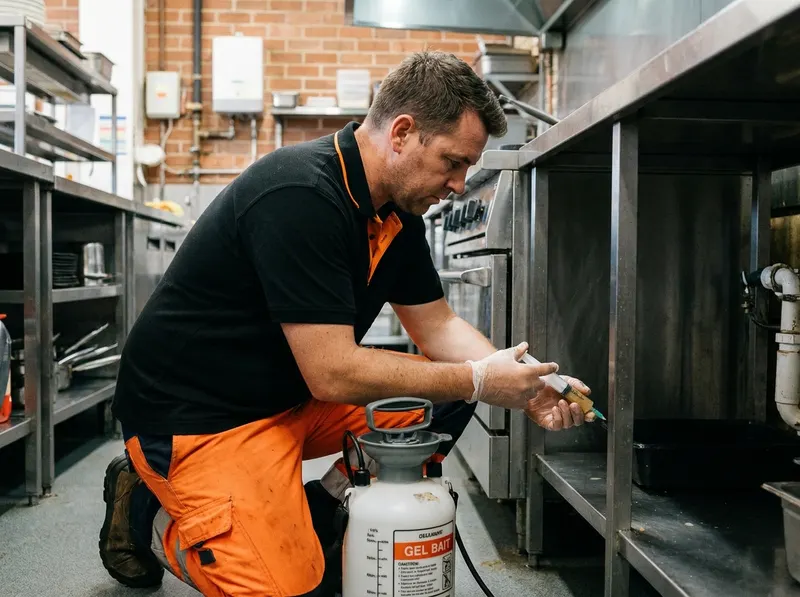
Denver regulatory codes under the Denver Department of Public Health & Environment (DDPHE) demand strict, documented sanitation records for hospitality, retail, and multi-family structures. In dense commercial corridors like Five Points and Baker, multi-unit brick structures share legacy sewer infrastructure and common walls, allowing German cockroach populations (Blattella germanica) and Norway rats (Rattus norvegicus) to transit entire blocks if single units remain untreated. In food-service heavy zones like Cherry Creek and Highland, passive insect light traps and tamper-resistant exterior rodent stations placed at 30- to 50-foot intervals along exterior perimeters form an exterior shield before pests infiltrate back-of-house storage or dining spaces.
Commercial property managers facing active infestations benefit from integrated structural exclusion over simple surface chemical treatments. Facilities with crawl spaces or loading docks near the South Platte corridor or historic basements in Capitol Hill often experience intense rodent pressure each autumn as temperatures drop along the Front Range. Sealing exterior gaps exceeding 1/4-inch with 16-gauge galvanized steel mesh and silicone sealants eliminates entry points permanently, reducing long-term pesticide dependency inside food preparation or guest zones. A retail warehouse in Park Hill or an office footprint in Montclair requires perimeter barrier defense combined with clean interior monitoring boards to catch localized activity before product loss occurs.
1. Initial structural risk audit: A licensed commercial technician inspects rooflines, plumbing penetrations, grease traps, and loading dock seals.
2. Perimeter defense deployment: Exterior tamper-resistant rodent stations and non-repellent insect barriers are installed around building foundations.
3. Digital compliance logging: Every station scan generates real-time bait consumption and pest counts to fulfill municipal health audits without paper logs.
Every job gets a firm, written price after a free on-site visit.
Tell us about your commercial pest management programs job in Denver and we'll send a clear, written quote, usually the same day.
 Rasteno Pest Protection